
Do I Need a Dedicated Breaker for My AC Unit?
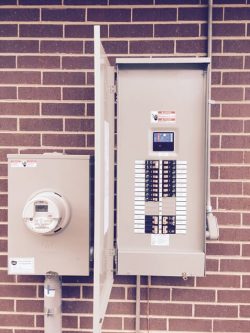 If you are installing a new air conditioner, replacing an older cooling system, or dealing with recurring electrical issues, you may be wondering whether your AC unit needs its own dedicated breaker. In most cases, the answer is yes.
Air conditioning systems require a significant amount of electrical power to start and operate properly. Because of this, most central air conditioners, heat pumps, and many ductless mini-split systems are installed on dedicated circuits with their own breaker inside the electrical panel.
A properly sized dedicated breaker helps protect your cooling equipment, your home’s electrical system, and overall household safety.
What Is a Dedicated Breaker?
A dedicated breaker is an electrical circuit reserved for a single appliance or system. Instead of sharing power with lighting, outlets, or other equipment, the breaker serves only one device.
Large appliances and HVAC systems often require dedicated circuits because of the amount of electricity they use during operation and startup.
Systems that commonly require dedicated breakers include:
- Central air conditioners
- Heat pumps
- Ductless mini-split systems
- Electric furnaces
- Water heaters
- Electric vehicle chargers
Without a dedicated breaker, an AC unit may overload a shared circuit and cause nuisance breaker trips, overheating, or electrical safety concerns.
Why Does an AC Unit Need a Dedicated Circuit?
Air conditioners use a large amount of electricity, especially during startup when the compressor first turns on. A dedicated circuit ensures the system receives the power it needs without interfering with other electrical devices in the home.
If an AC unit shares a circuit with other appliances or outlets, the electrical load can become too high for the breaker and wiring to safely handle.
A dedicated breaker helps:
- Reduce the risk of overloaded circuits
- Protect the AC system from electrical damage
- Improve system reliability
- Prevent nuisance breaker trips
- Support safe equipment operation
Modern HVAC equipment is designed with specific electrical requirements, and manufacturers typically require dedicated circuits as part of proper installation.
Can an AC Unit Share a Breaker With Other Appliances?
In most cases, no. Central AC systems and heat pumps should generally not share a breaker with other appliances, outlets, or major electrical equipment.
Older homes sometimes have electrical systems that were not designed for today’s cooling demands. In some situations, homeowners may discover that previous installations were not properly configured or that the electrical system is already near capacity.
Problems caused by overloaded circuits may include:
- Frequent breaker trips
- Lights dimming when the AC starts
- Warm electrical panel components
- Reduced AC performance
- Increased wear on electrical equipment
If your breaker trips repeatedly when the air conditioner runs, it is important to have the electrical system inspected rather than simply resetting the breaker over and over.
How Large Should an AC Breaker Be?
The proper breaker size depends on the type and size of the air conditioner, heat pump, or mini-split system being installed. Different systems have different electrical requirements based on voltage, amperage, and manufacturer specifications.
Many residential central air conditioners use:
- 20-amp breakers
- 30-amp breakers
- 40-amp breakers
- 50-amp breakers
However, breaker sizing should never be guessed. HVAC equipment must be matched with the correct breaker size, wire size, disconnect, and electrical configuration according to manufacturer requirements and electrical code standards.
Installing the wrong breaker size can create safety risks and may damage the equipment.
Does a Ductless Mini-Split Need Its Own Breaker?
Yes, most ductless mini-split systems also require dedicated electrical circuits. Depending on the system size and number of indoor units, the electrical requirements can vary significantly.
Single-zone systems may require one dedicated circuit, while larger multi-zone systems may require larger breakers and additional electrical considerations.
Mini-split electrical needs may depend on:
- System capacity
- Number of indoor units
- Heating and cooling output
- Voltage requirements
- Manufacturer specifications
Because ductless systems continue growing in popularity throughout the Denver metro area, homeowners often discover their older electrical panels need upgrades before new HVAC equipment can be installed.
Can My Existing Electrical Panel Support a New AC System?
Not always. Some older electrical panels may not have enough available capacity for a new central AC system, heat pump, or ductless installation.
As homeowners add more modern electrical equipment — including air conditioning, EV chargers, hot tubs, and home office equipment — electrical demand on the panel continues to increase.
Signs your electrical panel may need attention include:
- Frequent breaker trips
- Limited breaker space
- Flickering lights
- An older or outdated panel
- Burning smells or buzzing sounds
- Rust, corrosion, or visible panel damage
Homeowners can learn more about how home electrical panels work and why proper panel capacity matters for modern HVAC systems.
When Should You Upgrade Your Electrical Panel?
If your current panel cannot safely support a new AC system, a panel upgrade may be necessary before installation. This is especially common in older Denver-area homes that were built before central air conditioning became standard.
Panel upgrades can help improve safety, increase available electrical capacity, and support modern high-efficiency HVAC equipment.
You may need a panel upgrade if:
- Your existing panel is outdated
- You are adding central AC for the first time
- You are upgrading to a heat pump system
- Your panel is already overloaded
- You are planning additional electrical upgrades in the future
If you are considering a system upgrade, it may also help to understand why homeowners upgrade electrical panels when adding new HVAC equipment and other high-demand appliances.
Should You Install an AC Breaker Yourself?
Installing breakers, wiring, and HVAC electrical connections should generally be handled by licensed professionals. Air conditioning systems involve high-voltage electrical work that must comply with local electrical codes and manufacturer requirements.
Improper installation can create serious safety hazards, including:
- Electrical shock risks
- Equipment damage
- Overheating wires
- Fire hazards
- Warranty issues
Professional installation helps ensure the breaker, wiring, disconnects, and panel capacity are all properly matched to the cooling system.
Do You Need a Dedicated Breaker for Your AC Unit?
 In most cases, yes — air conditioners, heat pumps, and ductless mini-split systems should have dedicated breakers designed specifically for the equipment being installed.
A properly sized dedicated circuit helps protect your HVAC system, improve electrical safety, and support reliable cooling performance during Denver’s hottest summer months.
If you are replacing an older AC unit, adding cooling to your home for the first time, or upgrading to a heat pump or ductless system, it may also be a good opportunity to evaluate your electrical panel capacity and overall home electrical system.