
‘Dual Fuel’ Now Has Two Meanings!
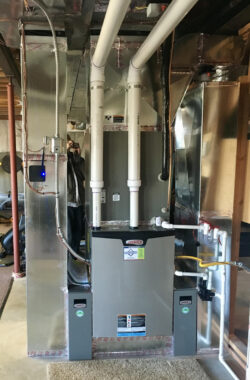 The term “dual fuel” has been used for decades to refer to home appliances and equipment that can be converted to operate off one fuel versus another. For example, think of furnaces or water heaters that are available to operate off natural gas or off propane. For decades, these have been classified as dual fuel products.
Now, however, the definition of dual fuel has taken on a new, alternate meaning, reflecting innovations that have produced appliances that can sense conditions under which it’s beneficial to operate off of one fuel or another, both of which are incorporated in the system.
In this post, to help clarify potential confusion when it comes to dual fuel systems, our team at Save Home Heat Company will provide an overview of what we choose to call ‘traditional’ dual fuel products versus ‘modern’ dual fuel products and systems. Both are available, and now there are essentially two definitions for the same term.
How Has the Definition of ‘Dual Fuel’ Changed?

For many years, the term “dual fuel” has been used to refer equipment that can be set up to operate fulltime off of one fuel or another, such as using natural gas or propane (or even electricity or gasoline). You can call these ‘traditional’ dual fuel products. Now, however, there is also equipment available that’s capable of automatically shifting back and forth from one fuel to another during normal operation, as circumstances dictate. Think of these newer designs as ‘modern’ dual fuel products and systems.
For example, in the modern home comfort realm, dual fuel heating and cooling systems – with a heat pump (powered by electricity) working in tandem with a central, gas furnace – are now a popular home comfort option when adding on new or replacing an existing AC system. With the heat pump taking the place of a conventional air conditioner, providing both AC and heating, these modern dual fuel systems feature a gas furnace and a heat pump sharing the heating load during the winter, with the heat pump handling the cooling chores during the summer.
Examples of Traditional Dual Fuel Systems

There are plenty of traditional dual fuel systems available on the market, featuring options to run off of either natural gas or propane. In addition, many of these are also available to operate using electricity. Here are some common options:
- Cooking ranges are readily available that can operate off of either natural gas or propane, and there are also a variety of electric models. Some units combine a gas range with an electric convection oven. These are all common home cooking takes on the traditional dual fuel system, with no automatic switching between fuels
- Standard gas water heaters are available in both natural gas or propane models (and of course there’s electric models, too)
- Many clothes dryers come in models that can be set up to run off natural gas or propane, and of course, there are electric models, as well
- Outdoor cooking grills come in models that can be operated using natural gas or propane, and there’s a variety of other designs; some use gas and charcoal, while others can burn wood chips or pellets
- Gas fireplaces and freestanding stoves. Just like products such as gas dryers and generators, these heaters are available to use either natural gas or propane. Like dryers, some units operate off electricity, usually with limited heating capacities
Modern Dual Fuel Systems
Here’s some examples of common modern dual fuel systems, which employ more than one fuel and are capable of automatically choosing to operate off of one versus the other, according to what’s more efficient or which one may be needed:
Gas Furnace and Central Heat Pump: Dual Fuel Heating & AC System
As mentioned above, dual fuel central furnace and heat pump systems incorporate a whole-house-sized heat pump working in concert with a gas furnace. It’s not uncommon that the existing furnace is replaced at the time the heat pump is installed, but this may also be accomplished using an existing furnace, depending on the unit.
PHEVs
Plug-in hybrid electric vehicles (PHEVs) use electricity as well as conventional gasoline, with the ability to switch back and forth as conditions warrant, normally prioritizing the use of electricity over gas.
In addition to a broad range of heating, cooling, and hot water systems, please keep our electrical team at Save Home Heat Company in mind for expert EV charging station installation!
Whole-House Standby Generators
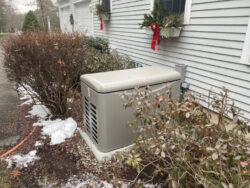
These, as well as various models of portable generators, are typically thought of in the traditional sense (operate either on natural gas, propane, or even gasoline). However, there are now generators available that can automatically switch back and forth from propane to gasoline, if the propane source runs low.
Our electrical team at SHH also installs whole-home standby generators!
Heat Pump Water Heaters
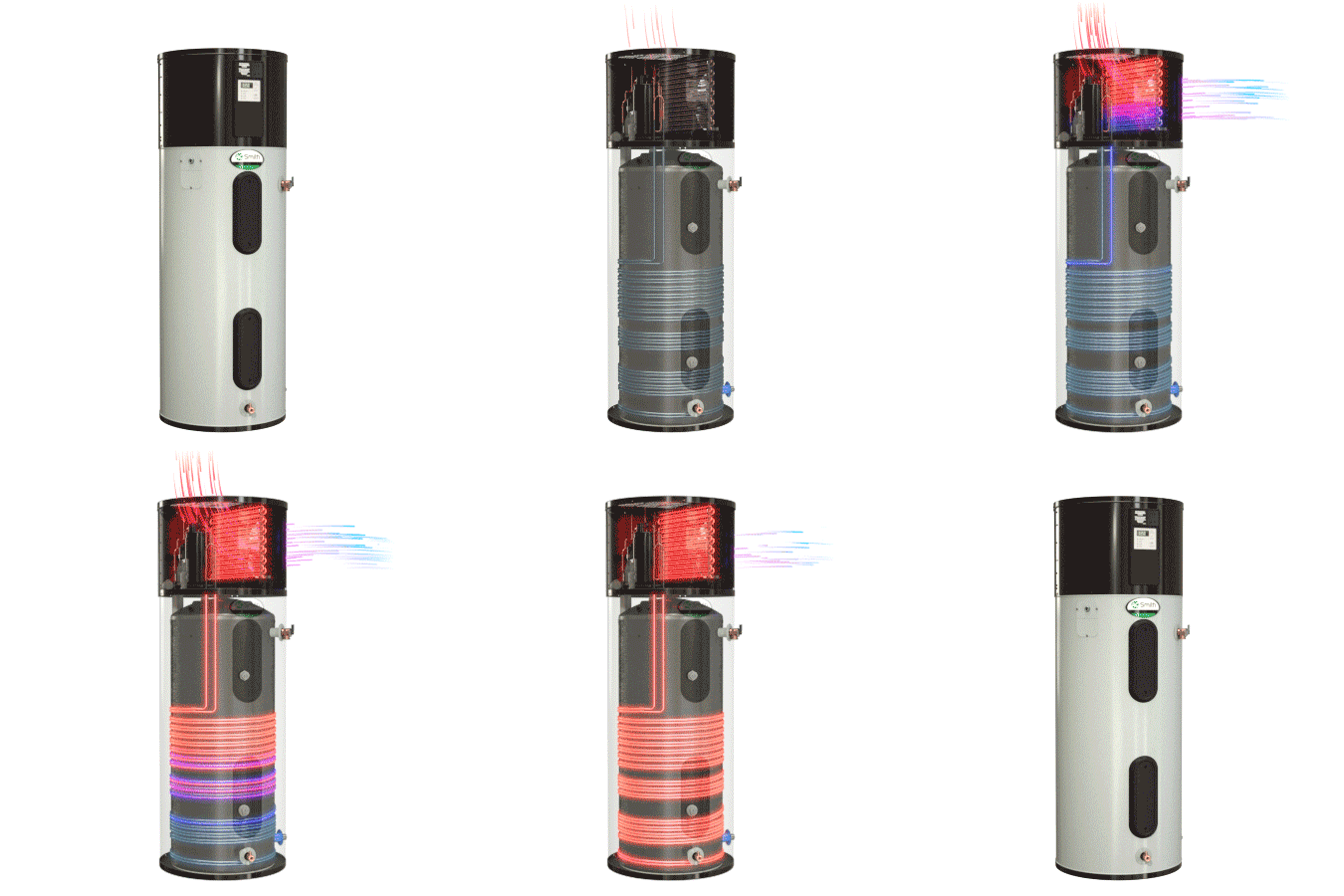
Most designs of heat pump water heaters use a heat pump in combination with a storage tank that has electric heating elements for backup heat.
Unlike mini-split and central heat pumps for heating and AC, which feature an outdoor condensing unit in combination with indoor components, many popular heat pump water heater designs actually combine all the components in a single indoor unit (tank, compressor, fans, etc.). Split system heat pump water heater designs are also available, which keep the loudest operating components outdoors.
While this type of system isn’t technically a dual fuel system, electricity is used in different ways, providing two heating sources. Of note, there are also cases where the storage tank is instead backed up by a gas boiler, as opposed to electric heating elements in the tank, or where the heat pump system is backed up by a gas water heater. While not common, these are good food for thought with regard to some of the directions we’re seeing heat pumps and domestic hot water move toward.
Heat Pump Boilers
 A relative newcomer to the heat pump and dual fuel scene, heat pump boilers are powered by electric heat pump technology. In some system designs, a heat pump boiler may be backed up by an existing gas boiler in a fashion similar to forced air dual fuel systems that use a central heat pump for heating and AC, working in tandem with a gas furnace.
Dual Fuel Systems in the Denver Metro, Boulder, and Loveland Area

All indications are that heat pumps will continue to become a bigger player in the home comfort game, especially given that there are valuable utility company, state, and federal rebates and incentives available for investing in eco-friendly technology. In our region, it appears that dual fuel applications will continue to play a role in ensuring effective heating under all conditions, as heat pumps are incorporated into existing comfort systems and new installations.
For expert advice and installation of dual fuel systems and a full range of heat pump home comfort products, please reach out to our team at Save Home Heat today. As always, our process is highly customer focused, with the goal of matching each homeowner with solutions that best fit their needs and their home, as opposed to trying to fit a square peg in a round hole. If we don’t feel a heat pump or a dual fuel system is the right match for you, we’re glad to look at a full range of other options – all in a highly informative, zero pressure manner.
For more information or to receive a free quote, please contact Save Home Heat Company today!
Please contact me to provide a heating & cooling upgrade quote!