
How to Get Your Home Ready for the First Freeze in Colorado
As fall settles into the greater Denver Metro area and nightly temperatures begin to dip, many homeowners forget how early we get a first true freeze. Preparing for the colder weather doesn’t take too much effort, and taking a little time to check on a few key areas can help everything transition more smoothly into the winter season.
A simple early-season checklist, including giving your furnace filter a quick inspection, ensuring outdoor vents are clear, preparing for drainage, and verifying safety detectors are ready for heating-season use, can provide added peace of mind as temperatures continue to drop.
Why Front Range Weather is So Tough on Systems
 During transitional seasons, it’s not uncommon for temperatures to swing from near freezing in the morning to 70s and 80s in the afternoons. This big shift requires systems to alternate between heating and cooling more frequently, which can cause more strain on the system overall. This also requires more energy from the system, meaning higher utility bills for Colorado homeowners. As temperatures drop, sudden cold snaps can also lead to a higher risk of freeze-related problems, like frozen water lines, overworked furnaces, and poor drainage. Creating a first-freeze home checklist for your Colorado home is a smart way to avoid problems and extend the lifespan of its systems.
Start With Your Furnace: Early-Season Essentials
Your furnace has likely been sitting unused during the warmer months, and that sedentary period can make it easy for small problems to go unnoticed. When considering how to prepare your furnace for winter, checking just a few key functions can make sure it’s working like it should before the first freeze hits.
Replace or Check Your Furnace Filter
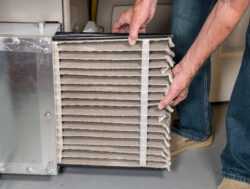 Even if you haven’t used your furnace for months, the filter can still collect dust and debris as it sits. This buildup can restrict airflow once it kicks on, reducing efficiency and making the furnace work harder. In addition to slowly increasing your utility bill, this can also affect comfort in your home. A dirty filter makes it hard for the furnace to heat your home evenly, leaving pockets of cold in the rooms furthest from the system. When it’s time to change your furnace filter, make sure you install it correctly!
Test Your Thermostat (and Review Your Settings)
It’s hard to do much about heating issues in your home if your thermostat isn’t working like it should. Test it to confirm that it switches smoothly from cooling to heating and check that it kicks on warm air like it’s supposed to.
Here’s how:
- Switch to “heat” mode and raise the temperature a few degrees higher so your furnace will kick on.
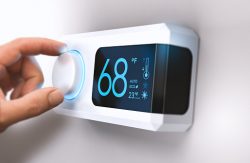
- Listen for the air to kick on.
- Check the airflow. Make sure it’s blowing enough and at a warmer temperature.
- Wait and make sure the cycle shuts off appropriately once the temperature is reached.
- Check for accuracy. Compare your thermostat’s temperature with a separate room thermometer. A 1–2 degree difference is normal. Anything more than that means you may need to schedule an appointment with a trusted HVAC professional.
Many homeowners find that programmable or “smart” thermostats can help optimize comfort as temperatures swing. To learn more about if this may be a good fit for your home, reach out to our team at Save Home Heat Company. We’re happy to help you find the right solution for you.
Check Outdoor Exhausts, Vents, and Fresh Air Intakes
As temperatures drop across Colorado’s Front Range, the mix of leaf drop, gusty winds, and frosty mornings can collectively create buildup around outdoor exhausts and vents. Leaves and other debris often build up near exterior furnace vents, water heater vents, and dryer exhausts. When early frost coats these surfaces, it can lock debris in place, making blockages even more stubborn. In addition to reducing efficiency, this can cause unsafe operation. Blocked furnace or water heater vents can trap combustion gases indoors, while clogged dryer exhausts increase the risk of overheating.
Getting ahead of this problem is as simple as walking around your home after a blustery day and checking for buildup around any vents, exhausts, or air intakes.
Sump Pump, Drainage, and Gutter Prep Before the Freeze
The systems in your home that handle water drainage should also be given a quick check. The last thing you want to do is wait until there’s a problem to realize they’re not working! Use this simple checklist to inspect your sump pump, drainage, and gutters.
Verify Your Sump Pump is Working
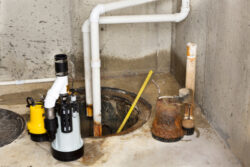 When the temperatures drastically shift, sump pumps often work harder because the melting snow creates sudden surges of water that need to be moved quickly. Then, the cycle repeats when the next night’s frost comes. This extra demand increases wear and tear. By keeping an eye on visible conditions, such as pooling water or frost around the sump pit, you can spot issues early so the system is ready to handle the season’s shifting temperatures.
Keep Downspouts and Drainage Paths Clear
Keeping drainage paths clear is essential to prevent water pooling near your home, both for the safety of your home and the people in it. Water pooling can reduce the integrity of the foundation of your home and increase the risk of water damage. Ice sheets freezing near your home can also be a slipping hazard during the winter months. A quick round of fall yard maintenance and making sure gutters are clear of leaves and debris goes a long way toward preventing these problems.
Check Gutters and Roof Edges
When rain or snowmelt can’t drain properly due to leaves or debris in your gutters, the water can create early-season ice dams that cause damage to the gutters, roof material, and roof sheathing. It can also lead to roof leaks and even structural damage to the home.
Clearing your gutters and drain lines is one of the most effective ways to prevent ice dams. However, insufficient attic insulation or ventilation can also increase the risk. In stubborn situations, a professionally installed electrical heat tape system can also make a big difference.
Carbon Monoxide and Smoke Detector Safety Check
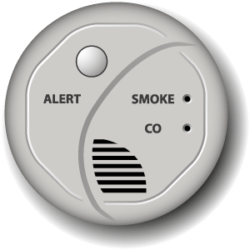 As you switch your furnace on for the season, it’s the perfect time to give your carbon monoxide and smoke detectors a quick test. Early‑season checks ensure these devices are ready when you need them most, and they only take a few minutes. Replace batteries if they’re low, confirm the detectors aren’t past their recommended age, and follow the manufacturer’s guidance for regular maintenance. These simple steps are among the most important cold-weather safety tips for homeowners. And remember, if a detector ever alerts you overnight, 24/7 emergency help is available — so you’re never left on your own during those chilly Colorado mornings.
Outdoor Freeze Prep: Simple Early-Season Checks
With lawn care taking the backseat for the season, you’ll want to take a few steps to ensure your yard is ready for the harsher weather. Here’s what to do:
Disconnect Hoses and Protect Exterior Faucets
Detaching hoses before freezing temperatures arrive helps prevent pressure buildup in outdoor lines. This is just a small step that supports healthier plumbing through early winter. If you notice leaks, low flow, or other faucet issues during this process, our plumbing team at Save Home Heat Company can take a look.
Secure or Store Outdoor Items Before the First Freeze
Outdoor furniture, grills, and decor often weather the season better when secured or stored before strong winds and cold weather settle in. Bring what you can into the garage to protect it from the cold, or use tarps to cover bigger items. This helps keep these items in good condition and prevents them from shifting during gusty fall storms.
When to Call for Help (and What We Can Assist With)
An early-season walkthrough can help reduce the risk of problems down the road, but professional maintenance is inevitable here and there. Plus, it can help keep your systems in good working order, preventing issues from compounding.
When your cold-season home checklist shows that you need more support, such as a furnace inspection, drain concerns, thermostat issues, or a carbon monoxide detector replacement, our team at Save Home Heat Company can help you get to the root of the problem. We also offer 24/7 emergency service for those urgent repairs that just can’t wait.
Your Friendly Denver-Boulder HVAC Team
 In the greater Denver metro, Boulder, and Loveland areas, it’s easy to forget how early that first freeze comes. But being proactive helps protect your family’s comfort and safety. With a trusted team in your corner to address any concerns, you can rest easy knowing that your home’s systems are in good shape for the colder weather.
For more information about furnace performance or to learn more about your home’s heating system, reach out to our team at Save Home Heat Company today. We’ve been helping homeowners like you ensure comfortable home heating since 1979. Our licensed technicians can provide expert heating advice or help you review a dual-fuel, heat pump, or traditional forced-air system as winter approaches.