
Preventing Frozen Pipes During Colorado’s Deep Freeze Weeks: Updated 2026 Guide
As temperatures drop along the Front Range during the winter, homeowners should watch for several cold weather risks, with frozen pipes being one of the most common. While cold weather is not unique to Colorado, our region does experience specific climate patterns that can make Denver and Boulder area homes more vulnerable to freezing temperatures. Here is what you should know about preventing frozen pipes as a homeowner on the Front Range.
Why Are Frozen Pipes So Common During Colorado’s Deep Freezes?
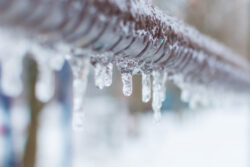 Colorado’s deep freeze events are driven by a combination of elevation, climate, sharp temperature swings, and local construction practices. Higher elevation and dry air can contribute to faster heat loss, while frequent freeze and thaw cycles increase pressure inside pipes as water expands and contracts. This added stress raises the risk of pipes cracking or bursting.
Many homes in the Denver and Boulder area, especially older properties, are also built in ways that increase exposure to cold. Uninsulated crawl spaces, plumbing located along exterior walls, and water lines running through garages with minimal insulation are all common features that can lead to freezing problems.
Which Pipes Are Most at Risk of Freezing in Winter?
Pipes with little or no insulation are at the greatest risk of freezing during the winter months. Plumbing located in exterior walls is particularly vulnerable due to direct exposure to cold air. Pipes in crawl spaces and garages with limited insulation are also common trouble spots. Outdoor hose bibs or spigots are another frequent issue, especially when hoses are left attached, which can trap cold air inside the line.
Pipes in older homes may face a higher risk as well. Materials such as copper and galvanized steel transfer cold more readily than PEX, which is commonly used in newer construction and is more tolerant of freezing conditions.
It is also important to remember that pipes in seasonal or vacant homes are more likely to freeze if the thermostat is set too low during extended cold snaps.
What Are the Warning Signs Your Pipes May Freeze?
Early warning signs that pipes may be freezing include:
- Reduced or restricted water flow
- Unusual noises when turning on a faucet
- Frost or ice visible on exposed pipes
- Bulging or misshapen pipes
- Cold spots in walls, floors, or cabinets
- Water that suddenly feels much colder than normal
How Can You Prevent Frozen Pipes During Extreme Cold?
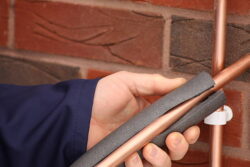 There are several practical steps homeowners can take during Colorado cold snaps to reduce the risk of frozen pipes. Proper insulation is one of the most important. Pay close attention to pipes located in exterior walls, garages, and crawl spaces. A licensed plumber can help identify vulnerable areas and recommend insulation improvements. In some cases, heat tape or heat cables may provide additional protection for problem spots.
Opening cabinet doors during extreme cold can also help by allowing warm air from your home to circulate around plumbing. Some homeowners choose to let faucets drip slightly during severe cold, since moving water freezes more slowly than standing water.
Maintaining a consistent indoor temperature is also critical. Keeping your home heated to at least 55 degrees at all times, even when you are away, helps reduce the risk of freezing throughout the plumbing system.
When Should You Call a Professional for Frozen Pipes?
While many freeze prevention steps involve simple homeowner habits, certain situations call for professional help. If you experience no water flow at one or more fixtures, notice bulging or frosted pipes, or see signs of water damage after temperatures rise, contact a trusted plumber such as Save Home Heat Company immediately.
Our team at Save Home Heat Company has more than 45 years of experience serving homeowners in the local area. We understand how Colorado’s climate impacts plumbing systems and can help ensure your pipes are prepared for colder temperatures.
To learn more about preventing frozen pipes or to schedule an appointment, give us a call today.