
What is Hard Water?
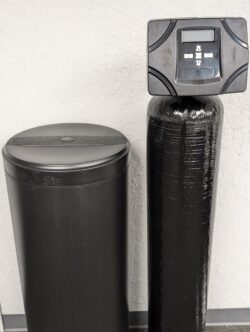 The most common water quality issue that our plumbing team at Save Home Heat Company solves for homeowners in the Metro Denver, Boulder, and Loveland areas is hard water. It’s not very difficult to spot if there’s a hard water issue in your home: just look for white powdery deposits on faucets and shower aerators, in bathtubs and sinks, in your dishwasher, and other places around your home where water is used regularly. So far, it sounds relatively benign, but that’s just one example of how hard water may impact you and your home.
In this blog post from our water quality team at Save Home Heat, we’ll revisit some of the potential impacts of having household water that’s too hard, and then we’ll take a deeper dive into what is actually meant by “hard water.” For the moment, you can think of hard water as water that has elevated levels of certain elements in it, most often calcium and magnesium.
Impacts of Overly Hard Water
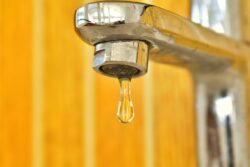 While hard water normally isn’t a major health concern, it can have impacts that affect both your home and those who live in it. In addition to dry skin, hair, and nasal passages, taste and smell issues, sink and bathtub staining and scale deposits, as well as poor soap and detergent performance, hard water can also cause problems with your home’s plumbing system.
Due to excessively hard water, automatic and manual water valves may fail or leak prematurely, your water heater may operate at reduced effectiveness and efficiency due to deposits in the tank or on heat exchangers – and its lifespan could be shortened, too. The very piping in your home could suffer from scale deposits, as well. The list goes on.
Defining Hard Water
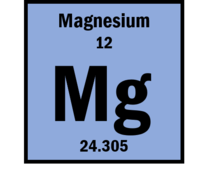
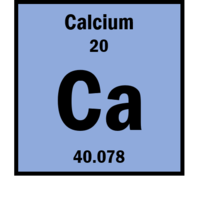 In short, water hardness is a measure of the amount of dissolved minerals present in the water being tested, primarily calcium and magnesium salts. However, water hardness may also include other components such as iron, aluminum, and manganese, in varying levels. Water hardness is measured in “grains per gallon (gpg)” of these elements: the higher the number, the harder the water.
What is a Grain of Hardness?
Technically speaking, one grain of hardness in water is equivalent to 17.1 milligrams of the hardness minerals discussed above, per gallon of water – or 1/7000th of a pound per gallon, for those who love numeric minutiae. It sounds really small, but the effects of hard water can add up, especially over periods of time.
At What Point is Water Hardness Too Much?
 Depending on the information source, the breakdown of hardness ranges and their levels of concern for homeowners may differ a little, but the following summary provides a good overview of what our research indicates:
- 0 – 1 Grains per Gallon (gpg): Soft water
- 1 – 3.5 gpg: Slightly hard water
- 3.5 – 7 gpg: Moderately hard water
- 7 – 10.5 gpg: Hard water
- 10.5+ gpg: Very hard water
It’s worth noting that while 6.0 gpg falls within the ‘moderately hard’ range and is not generally considered too hard, it may still lead to noticeable effects, such as white residue on dishes and plumbing fixtures, and slightly off-tasting water. This is the point that our team typically recommends keeping a closer eye on hardness measurements from year to year, and possibly start thinking about a whole-house water softener as a potential upgrade.
Hard Water Locations in the Denver Metro Area
 While many aspects of municipal and private well water quality are not a stagnant condition and may change seasonally as well as from year to year, hard water in the Denver area has consistently been identified in numerous locations in Highlands Ranch, Westminster, Englewood, Thornton, and Commerce City, as well as some semi-rural and foothills neighborhoods. In the last few years, we’ve also seen an uptick in hardness levels around Louisville and Lafayette. Our water quality team at Save Home Heat continues to monitor these and other areas for our customers and report on our findings in a highly informative, transparent manner.
Testing for Water Hardness
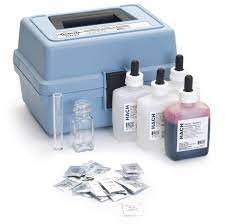 Accurate in-home testing for water hardness is possible, and is a relatively painless process for both our team and the homeowners we serve. Our water quality team uses proven, dependable water test kits from established, independent water quality experts such as Hach. Depending on the specific test, onsite water test kits typically make use of litmus paper, reagent liquids and powders, along with properly sized test tubes.
 At Save Home Heat Company, we provide complimentary in-home water testing for hardness, along with a range of other common water components including pH, chlorine, nitrates, and others. Expert, state-accredited laboratory testing is also available for other potential concerns such as lead, uranium, other heavy metals, in addition to concerns such as unhealthy bacteria. Real estate transaction testing is also available.
As always, there is no sales hype attached to our team’s expert findings and recommendations. We listen carefully to our customers, fully answer any and all of their questions, and empower them to make informed decisions.
The Right Solution for Hard Water: A Whole-House Water Softener
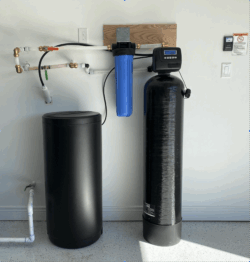
The most effective solution for hard water in your home is a whole-house water softener. The water softeners that our team installs are professionally sized, custom-designed units that feature high quality, industry standard components. Installation by our team is performed to the highest of standards and overseen by both our water quality leader and our staff licensed Master Plumber.
 Our water quality team, led by our Water Quality Association certified Master Water Specialist, designs water softeners that are expertly matched with the needs of the home and its occupants. Residential water softeners are normally sized based on their “grain capacity,” with common sizes ranging between 32,000 to 80,000 grains. Look for more info. on water softener design and sizing in a future SHH blog post.
Concerned About Hard Water in Your Metro Denver, Boulder, or Loveland Area Home?
 Homeowners in the Denver Metro, Boulder, and Loveland area who have concerns about hard water turn to our water quality team at Save Home Heat Company with confidence.
Please contact me to schedule a free in-home water test or a water softener install quote!
Tags: Water Softeners