
What Is a Whole-Home Electrical Load Calculation and When Is One Needed?
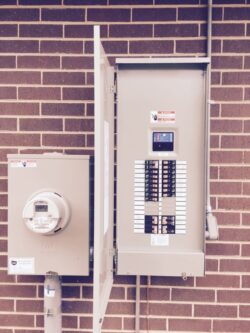 Your home’s electrical needs are probably very different today than they were when the house was built. Air conditioning, heat pumps, electric ranges, hot tubs, home offices, EV chargers, and other equipment can all add to the amount of electricity your home needs to safely handle.
Before adding a major electrical load or assuming you need a larger service panel, an electrician may perform a whole-home electrical load calculation.
In simple terms, this calculation helps answer an important question: Can the home’s existing electrical service safely handle what you already use plus what you plan to add?
What Does an Electrical Load Calculation Measure?
An electrical load calculation estimates the amount of electrical demand that may be placed on your home’s service. An electrician considers the home and its major electrical loads rather than simply adding up the numbers printed on every circuit breaker.
The calculation gives the electrician a clearer picture of how much capacity the existing electrical service has and whether a planned upgrade can be added safely.
When Might You Need a Load Calculation?
There are several situations where it makes sense to take a closer look at electrical capacity.
- Installing a Level 2 EV charger: These chargers typically require a dedicated 240-volt circuit and can represent a significant new electrical load.
- Adding a heat pump or central air conditioner: New HVAC equipment may require additional electrical capacity and dedicated circuits.
- Converting from gas to electric equipment: Electric ranges, water heaters, heating systems, and other appliances can substantially change household demand.
- Remodeling or adding living space: Finished basements, additions, kitchens, and other remodels often introduce new circuits and equipment.
- Adding a hot tub or other high-demand equipment: Larger electrical appliances and recreational equipment may need dedicated circuits.
- Planning several electrical upgrades at once: Looking at the whole home’s demand can help prevent one project from creating capacity problems for the next.
For example, Level 2 EV charging systems use dedicated 240-volt circuits, making existing panel capacity an important part of installation planning.
Does More Electrical Demand Mean You Need a New Panel?
No. This is one of the most important reasons to do the evaluation first.
Your existing panel may have enough capacity for the planned addition. In other situations, the main service may be adequate but the panel simply lacks convenient space for another circuit.
Depending on the home and the work being planned, an electrical subpanel may sometimes be an appropriate way to add circuit capacity without replacing the main panel.
On the other hand, an older electrical panel that is worn, unsafe, undersized, or unable to support the home’s changing electrical needs may warrant replacement. Save Home Heat’s electrical panel services include evaluating the condition of the existing panel and helping homeowners understand which options make sense.
Let an Electrician Look at the Whole Picture
 A load calculation can help take the guesswork out of planning an electrical project. Rather than assuming that an upgrade is necessary, a qualified electrician can evaluate the existing service, the equipment you already have, and what you plan to add.
Save Home Heat provides complete residential electrical services throughout the Denver-Boulder area, including electrical panels, new circuits, EV charging stations, remodel work, inspections, and other upgrades.
If you are planning a major electrical addition or wondering whether your current panel has enough capacity, contact Save Home Heat. Our electrical team can help you understand what your home actually needs before you make the investment.