
Why Does My Toilet Keep Running After I Flush?
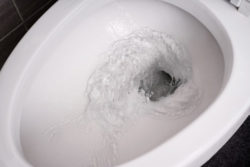 You flush the toilet, walk away, and a few minutes later you can still hear water running. Once you notice that sound, it can be surprisingly hard to ignore.
A toilet should refill after a flush and then stop once the tank reaches the proper water level. If your toilet keeps running, something inside the tank is usually preventing that process from finishing correctly.
The good news is that many running-toilet problems involve relatively simple components. The trick is figuring out which one is causing the trouble.
What Makes a Toilet Keep Running?
Several parts inside the tank work together to control how the toilet flushes and refills. When one of those parts wears out, sticks, or falls out of adjustment, the toilet may keep running after the flush is complete.
A Worn or Damaged Flapper
The flapper sits over the opening at the bottom of many toilet tanks. When you flush, it lifts to let water into the bowl and then drops back down to create a seal.
If the flapper is worn, warped, dirty, or no longer sealing properly, water may slowly leak from the tank into the bowl. The fill valve then keeps adding water to replace what is being lost.
A Fill Valve That Is Not Shutting Off
The fill valve controls the water entering the toilet tank. A faulty or worn valve may continue allowing water to flow after the tank should be full.
Save Home Heat’s plumbers regularly address toilet repair problems involving faulty fill valves, damaged flappers, tank components, leaks, and poor flushing.
The Float Is Set Incorrectly or Sticking
The float moves with the water level in the tank and helps signal when the fill valve should shut off. If it is sticking or adjusted too high, the tank may keep filling.
In some cases, the excess water runs into the overflow tube, allowing the toilet to continue running without overflowing onto the floor.
A Chain or Handle Problem
The chain that connects the handle to the flapper needs enough slack for the flapper to close completely. If the chain is too short, tangled, or caught under the flapper, the seal may remain slightly open after every flush.
What Can You Check Yourself?
If you are comfortable removing the tank lid, take a look while the toilet is running. You may be able to see whether the flapper is closing, whether the chain is caught, or whether water is continuously flowing into the overflow tube.
You can also gently move the float and see whether the water shuts off. These simple observations can help narrow down the problem without taking anything apart.
If you are not sure what you are looking at, there is no need to start replacing parts at random. Save Home Heat provides a full range of residential plumbing services and can diagnose the cause for you.
Does a Running Toilet Really Matter?
Even if the toilet still flushes normally, water that continually moves from the tank into the bowl is water you are paying for but not using.
A toilet that occasionally runs for a few seconds may simply be responding to a small loss of tank water. A toilet that runs continuously, refills repeatedly on its own, or has become noticeably louder deserves attention.
It is also worth having the toilet checked if you notice water around the base, a loose fixture, poor flushing, or repeated clogging. Those symptoms may point to a different problem than the parts inside the tank.
When Should You Call a Plumber?
 If adjusting the float or freeing an obviously tangled chain does not solve the problem, a plumber can inspect the toilet and determine whether a flapper, fill valve, seal, or another component needs repair.
Save Home Heat’s approach is to explain what we find and discuss your options without pushing unnecessary work. If the problem extends beyond the toilet itself, our team also handles a broad range of household plumbing repairs.
If your toilet keeps running after every flush, contact Save Home Heat. We will help you find the cause and get this important fixture working quietly and reliably again.
Tags: toilet running