
Why Is There Condensation on My Air Vents?
Finding water droplets around an air vent can be surprising, especially here along the Colorado Front Range, where we are much more accustomed to dry air than excessive humidity. Still, condensation around supply vents can happen during the cooling season, and it is worth figuring out why.
Condensation forms when warm, moisture-containing air comes into contact with a surface that is cold enough for that moisture to turn into water. When your air conditioner is running, the metal vent and ductwork behind it can become quite cool. Under the right conditions, moisture may collect on or around those surfaces.
A little moisture does not automatically mean something is seriously wrong. However, if the condensation keeps coming back, starts dripping, or leaves stains around the vent, it is time to look a little deeper.
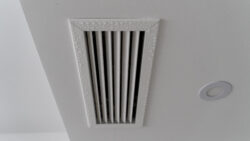
Common Causes of Condensation Around Air Vents
Warm Air Reaching Cold Ductwork
Your supply ducts carry cooled air from the air conditioner throughout the house. If a cold duct or the metal boot behind a register is exposed to warmer air, condensation can develop on the surface.
Air Leaks Around the Duct or Register
Gaps around a vent or leaks in the duct system may allow warm air to reach cold metal surfaces. Leaky ductwork can also affect comfort and efficiency because some of the conditioned air you are paying to cool never makes it where it is supposed to go.
If you are noticing other cooling problems along with the moisture, our air conditioning repair team can help determine whether airflow or system performance is part of the issue.
Missing or Damaged Duct Insulation
Ductwork running through an attic, crawl space, garage, or another unconditioned area may need insulation to separate the cold duct surface from warmer surrounding air. Missing, compressed, or damaged insulation can make sweating more likely.
Restricted Airflow
A dirty filter, blocked return, blower problem, or another airflow restriction can affect temperatures inside the HVAC system. If the supply air or coil becomes unusually cold, condensation problems may become more noticeable.
Could the Humidity in Your Home Be Too High?
Possibly, but there is an important local distinction. Save Home Heat has spent decades helping Denver-Boulder area homeowners manage indoor humidity, and much of that work involves adding moisture during our very dry heating season.
That does not mean humidity can never become elevated. Certain rooms or household activities may create localized moisture, especially during summer. If humidity seems unusual throughout the home, it may be worth evaluating ventilation and other indoor air quality factors rather than focusing only on the wet vent.
Homes that struggle with overly dry winter air may have the opposite concern during heating season. Our whole-home humidifier guide goes into more detail on how central systems manage moisture during Colorado’s dry months.
When Is Condensation Around a Vent a Problem?
Pay closer attention if the moisture returns frequently, water is dripping from the vent, drywall begins staining, paint starts peeling, or you notice a musty smell nearby. Persistent moisture can eventually affect surrounding building materials, so this is not something to ignore indefinitely.
The cause may be relatively simple, such as an air leak around a register, or it could involve duct insulation, airflow, drainage, or the cooling equipment itself.
Let Save Home Heat Take a Closer Look
 Save Home Heat has been helping Denver-Boulder area homeowners with heating, cooling, ducted systems, and indoor air quality since 1979. With something like vent condensation, our goal is to determine why the moisture is forming rather than simply treating what you can see.
If condensation keeps appearing around your air vents, contact Save Home Heat. We can take a closer look at the cooling system, airflow, and accessible ductwork and help you determine the right next step.