
Water Heater Repair or Replacement? Signs Your Water Heater Is Going Bad
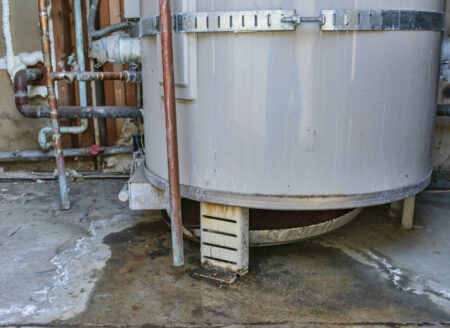
Your water heater is one of those systems you likely don’t think about until something goes wrong. When hot water becomes inconsistent or issues start to appear, it can be difficult to know whether a simple repair will solve the problem or if it may be time to consider replacement.
In many cases, there isn’t a single clear answer, and the best approach depends on the condition of your current system and your household’s needs.
How Old Is Your Water Heater?
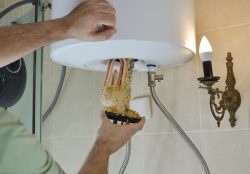
Age is often one of the first things to consider. Most standard tank water heaters last around 10 to 15 years, depending on usage, maintenance, and water quality.
If your system is approaching or beyond that range, it may be more prone to issues. In some cases, repairs may still be possible, but it can be worth considering how much longer the unit is expected to last.
Is Your Hot Water Supply Becoming Unreliable?
If you are running out of hot water more quickly than usual, or if temperatures fluctuate from hot to cold, it may be a sign that your system is not performing as it once did.
In some cases, this may be caused by internal wear, sediment buildup, or components that are no longer functioning properly. A professional inspection can help determine whether a repair is likely to restore performance.
Are You Hearing Unusual Noises?
Water heaters are not completely silent, but loud popping, rumbling, or banging sounds are not typical. These noises are often related to sediment buildup at the bottom of the tank.
As the system heats water, hardened sediment can create noise and reduce efficiency. Over time, this buildup may also place additional stress on the tank itself.
Is There Rust or Discolored Water?
If you notice rusty or discolored hot water, it could be a sign of corrosion inside the tank or within connected plumbing components.
In some cases, corrosion can be addressed, but if it originates inside the tank, it may indicate that the unit is beginning to deteriorate. This is something that is generally worth evaluating sooner rather than later.
Do You See Water Around the Tank?
Any visible moisture, pooling water, or small leaks around your water heater should not be ignored. Even minor leaks can develop into larger problems over time.
In some situations, a connection or valve may need adjustment or replacement. However, if the tank itself is leaking, replacement is often the more practical option.
Are Your Energy Bills Increasing?
An aging or inefficient water heater may require more energy to produce the same amount of hot water. Sediment buildup, worn components, and declining performance can all contribute to increased operating costs.
If you notice your energy bills rising without a clear explanation, your water heater may be one of several systems worth taking a closer look at.
When Does Repair Make Sense?
Not every issue means you need a new water heater. In many cases, repairs can extend the life of your system, especially if:
- The unit is relatively newer
- The issue appears to be limited to a specific component
- The repair cost is reasonable compared to replacement
Having the system evaluated can help determine whether a repair is a practical short-term solution.
 When Is It Time to Consider Replacement?
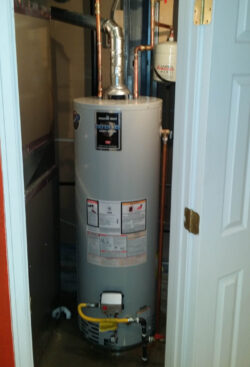
There are also situations where replacement may be the better long-term option. This may be worth considering if:
- The unit is nearing the end of its expected lifespan
- Repairs are becoming more frequent
- Performance no longer meets your household needs
- The cost of repair is close to the cost of a new system
Taking a step back to look at the overall condition of the system can help guide the decision in a more informed way.
Considering Efficiency When Replacing a Water Heater
If you are already thinking about replacing your water heater, efficiency may be part of the conversation. Modern systems are rated using a Uniform Energy Factor (UEF), which helps compare how efficiently different units operate.
While higher efficiency models can reduce operating costs over time, they are not always the best fit for every home. Factors like installation cost, fuel type, and your household’s hot water needs should also be considered.
Exploring Replacement Options
Today’s water heaters include a range of options, from standard tank units to high-efficiency and tankless systems that provide hot water on demand.
Each option has its own advantages depending on your home’s layout, hot water usage, and long-term goals. In many cases, it makes sense to review these options carefully before making a decision.
Your Trusted Water Heater Experts
 When it comes to water heater issues, there is not always a clear-cut answer between repair and replacement. Taking the time to evaluate the condition of your system and understand your options can help you make a more informed decision.
If you would like help reviewing your system or talking through what makes the most sense for your home, Save Home Heat Company can provide guidance and answer any questions you may have.