
Why Do My Pipes Bang When I Turn Off the Water?
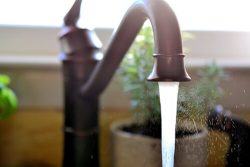 You shut off the kitchen faucet, or the washing machine finishes filling, and somewhere inside the wall there’s a loud thud. Sometimes it’s a single bang. Other times it’s a rattle that seems to travel through the whole house. Plumbers call it water hammer, and it’s one of the more common noises we hear about from homeowners around Boulder and the Denver metro.
The noise can be startling, but the cause is fairly simple, and in most homes it’s very fixable.
What Water Hammer Is
Water moving through your pipes carries a lot of momentum. When a valve closes quickly, that moving water has nowhere to go. It stops all at once and sends a pressure wave bouncing back through the pipe. That wave is the bang you hear, and it can make pipes jump and knock against the framing in your walls.
That’s why water hammer often shows up with fixtures and appliances that shut off fast, such as:
- Washing machines and dishwashers, which use valves that snap shut
- Refrigerator ice makers and water dispensers
- Whole-house humidifiers, which use a small valve that clicks open and shut
- Single-handle faucets that you can flip off in one quick motion
- Quarter-turn shutoff valves
Older two-handle faucets close more slowly, so they’re less likely to cause a bang. If the noise started right after you got a new washer or swapped out a faucet, that’s often the reason.
What Makes The Water Hammer Noise Worse
1. High Water Pressure
The higher your water pressure, the harder that moving water hits when it stops. Most homes do well somewhere between about 40 and 80 psi. The International Plumbing Code, which Colorado’s state plumbing code is based on, calls for a pressure-reducing valve whenever the pressure coming into a home is above 80 psi. With all the hills and elevation changes along the Front Range, pressure can vary a lot from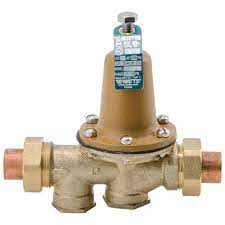 one neighborhood to the next, and some Denver-Boulder metro area homeowners have higher pressure coming in from the street than they realize.
Many homes have a pressure-reducing valve (PRV) where the water line enters the house. Age, wear and mineral buildup can keep these valves from working the way they should. When one starts to fail, pressure can creep up and the banging can get louder. A worn PRV can cause the opposite problem too, like water pressure that drops when several fixtures are running, because the valve can’t keep up with the demand.
2. Loose Pipes
Pipes are held in place with straps and hangers. Over the years, those can loosen, especially in older homes. A loose pipe has more room to move, so even a small pressure wave can make it slam against a joist or wall stud.
3. Waterlogged Air Chambers
Many older homes have air chambers, which are short capped sections of pipe near fixtures that hold a cushion of air to soak up the shock. Over time, the trapped air slowly dissolves into the water, the chamber fills up and the cushion disappears. A house that used to be quiet can start banging for this reason alone.
A Few Things You Can Check
- Notice which fixture sets it off. If the bang only happens when the washer or dishwasher shuts off, that narrows things down quickly.
- Check your water pressure. An inexpensive pressure gauge from the hardware store screws onto an outdoor hose bib or your washing machine connection. If you’ve already winterized your outdoor faucets for the season, the laundry connection works just as well.
- Recharge the air chambers. If your home has them, you can often restore the air cushion by shutting off the main water valve, opening the highest and lowest faucets in the house to drain the lines, then closing the faucets and turning the water back on.
- Look at exposed pipes. In a basement or crawl space, check for pipes that move easily or hang loose from their straps.
How Water Hammer Is Usually Fixed
Once a plumber finds the cause, the fix tends to be simple:
- Water hammer arrestors. These small devices have a sealed air cushion and a piston inside, and they’re built and tested to a plumbing industry standard called ASSE 1010. Since the pressure wave starts at the valve, plumbers install them as close as they can to fast-closing valves, like the hookups behind a washing machine. Unlike old air chambers, they’re sealed, so they don’t waterlog.
- Adjusting or replacing the PRV. Bringing pressure back into a healthy range quiets things down and takes strain off your fixtures, appliances and water heater.
- Securing loose pipes. Adding or tightening straps, often with cushioned hangers, keeps pipes from knocking against the framing.
It’s worth looking into because repeated hammering puts stress on joints, fittings, appliance valves and supply lines over time. Fall is a good time to sort it out, too. Our freeze-thaw cycles along the Front Range already put plenty of strain on pipes, especially ones in exterior walls, crawl spaces and garages, so it helps to head into winter with pipes that are secure and in good shape.
Not Every Noise Is Water Hammer
A few other pipe sounds are easy to mix up with water hammer. Light ticking or creaking after you run hot water is usually copper pipes expanding and cooling. A steady hum can point to high pressure or a valve that’s partly closed. Banging in the pipes of a hot water heating system, like a boiler with baseboard heat, usually has a different cause, such as air trapped in the system. And in the middle of winter, odd noises when you turn on a faucet, along with weak flow, can be an early sign of a pipe starting to freeze.
 Each of these has its own fix, so it helps to note when and where the sound happens. Paying attention to new sounds is one of the easiest ways to stay tuned in to your home’s plumbing, and it helps a plumber find the cause faster.
Here to Help With All Things Hot Water (and Cold)
 Save Home Heat has a licensed master plumber on our team, and we’ve been taking care of homes in Boulder County and around the Denver metro since 1979. Whether it’s banging pipes, pressure questions or water heater service, we’ll explain what we find and give you a firm price before any work begins. If you have questions about a noisy plumbing system, our team is always glad to help.