
Why Does My Circuit Breaker Trip When the Air Conditioner Turns On?
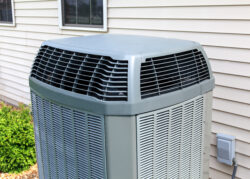 Your air conditioner turns on, the breaker trips, and suddenly the house starts warming up. While an occasional electrical issue can happen, a breaker that repeatedly trips when your AC starts usually means something in the cooling system or electrical circuit needs attention.
The breaker is there to protect your home when electrical demand becomes too high or another unsafe condition develops. Common causes include a failing capacitor, compressor problems, damaged wiring, an overloaded circuit, or a worn breaker.
Your AC May Be Drawing More Power Than the Circuit Can Handle
Air conditioners use a significant amount of electricity, especially when the compressor first starts. Your AC circuit and breaker should be sized to handle that normal startup demand without shutting the system down.
If the breaker trips during startup, the system may be drawing more current than expected, or the circuit itself may have a problem. That can happen when an AC component begins to fail, electrical connections deteriorate, or the equipment isn’t connected to an appropriately sized dedicated circuit.
Save Home Heat explains in our guide to dedicated breakers for air conditioners why central AC systems and other high-draw HVAC equipment generally require their own circuits.
A Failing Capacitor Can Make the AC Struggle to Start
Air conditioners rely on electrical components called capacitors to help motors start and operate. These components can weaken or fail as they age, particularly after years of exposure to heat and heavy summer operation.
If a capacitor is no longer functioning properly, a motor or compressor may struggle when the system attempts to start. That can be accompanied by symptoms such as humming, clicking, intermittent operation, or the AC shutting down shortly after startup.
Capacitors are among the electrical components inspected and tested during professional air conditioner maintenance. Because capacitors store electrical energy even when equipment isn’t operating, testing or replacing them should be left to a qualified HVAC technician.
The Compressor May Be Drawing Too Much Electricity
The compressor is one of the most important components in a central air conditioning system. It circulates refrigerant between the indoor and outdoor portions of the system and has a substantial electrical demand, particularly when it starts.
If a compressor develops an electrical or mechanical problem, it may draw more current than the circuit is designed to handle. In some cases, the breaker may trip almost immediately when the thermostat calls for cooling.
Compressor problems aren’t something a homeowner can diagnose simply by looking at the outdoor unit. A technician can measure the compressor’s electrical draw and perform additional testing to determine whether the compressor itself or another component is causing the problem.
Save Home Heat includes compressor electrical performance checks as part of its professional AC maintenance process. Our guide to common reasons AC systems fail during Denver summers also discusses how worn electrical components can cause hard starting, unexpected shutdowns, and breaker trips.
The AC Circuit or Breaker Could Be the Problem
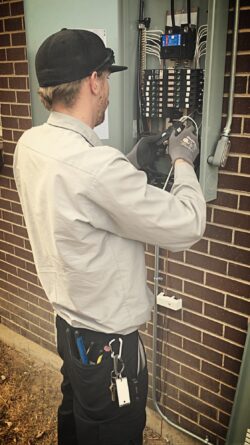 Sometimes the problem isn’t entirely inside the air conditioner. The breaker and circuit supplying the equipment also need to be considered.
A circuit breaker can deteriorate with age and repeated operation. Electrical connections can also loosen or become damaged over time. If your AC wasn’t installed on an appropriately sized dedicated circuit, the electrical load may exceed what the existing circuit is intended to handle.
This is particularly worth investigating in older homes where the electrical system may have been designed before today’s cooling equipment and other high-demand appliances were installed.
Save Home Heat’s article on when to consider an electrical panel upgrade notes that frequent breaker trips can be a warning sign that a circuit is experiencing excessive electrical demand or that the electrical system needs professional evaluation.
Importantly, installing a larger breaker is not a DIY solution. Breakers and wiring must be properly matched to the circuit and equipment requirements. Increasing the breaker size without confirming that the wiring and equipment are designed for it can create a serious electrical hazard.
Could an Overloaded Circuit Be Tripping the Breaker?
Central air conditioners generally need dedicated electrical circuits because of their high power requirements. A dedicated circuit means the breaker serves the cooling equipment rather than simultaneously powering lights, receptacles, or unrelated appliances.
If an AC system is improperly sharing a circuit, the combined electrical demand may be enough to trip the breaker when the compressor starts.
Save Home Heat covers this issue in greater detail in Do I Need a Dedicated Breaker for My AC Unit? That article also explains why proper circuit and breaker sizing helps protect both the cooling equipment and the home’s electrical system.
Can a Dirty AC Cause the Breaker to Trip?
Not every breaker trip starts with an electrical component. Conditions that make the cooling system work harder can sometimes contribute to excessive system strain.
Restricted airflow, a dirty outdoor condenser, or other maintenance concerns can reduce cooling performance and force equipment to operate under less favorable conditions. However, a repeatedly tripping breaker shouldn’t automatically be blamed on a dirty filter or condenser. Electrical measurements and system testing are needed to identify the actual cause.
That’s one reason preventive maintenance includes more than basic cleaning. During professional AC maintenance, we inspect mechanical and electrical components, test capacitors and contactors, cycle the equipment, and evaluate system performance for developing issues.
When Should You Schedule AC Repair?
A breaker that repeatedly trips when the air conditioner starts deserves professional attention, particularly if the issue appears suddenly or is accompanied by other changes in system performance.
Schedule service if:
- The breaker trips every time the AC starts
- The system hums or struggles before starting
- The AC shuts down unexpectedly
- You hear buzzing or clicking from the equipment
- You notice a burning or unusual electrical smell
- The AC no longer cools as reliably as it used to
- The same breaker has begun tripping more frequently
These symptoms don’t necessarily mean you need a new air conditioner. In many cases, professional testing can identify a specific electrical or mechanical component that requires repair.
Get Help With an AC Breaker That Keeps Tripping
 Your circuit breaker is designed to protect your home and equipment when electrical conditions become unsafe. If your AC repeatedly trips its breaker at startup, don’t simply continue resetting it and hoping the problem goes away.
Save Home Heat Company provides professional air conditioning repair throughout the Boulder-Denver metro area, along with experienced residential electrical services. Our team can evaluate your cooling system, electrical components, and related equipment to determine why the breaker is tripping and recommend the appropriate next step.
Contact Save Home Heat Company to schedule service if your circuit breaker keeps tripping when your air conditioner turns on.