Why Your Energy Bill May Be Spiking This Summer

If your energy bill seems higher than expected this summer, you are not alone. Energy costs have been trending upward in recent years, and as temperatures rise, some homeowners in the Boulder area may notice higher monthly bills.
In Colorado, utility rates and long-term energy investments are part of that trend. Recent reporting shows that residential energy bills have increased significantly nationwide, with additional changes expected as utilities continue to upgrade infrastructure and meet growing demand.
In many cases, there isn’t a single clear reason for higher bills, and the overall impact may depend on both broader energy trends and how your home’s systems are operating.
Why Energy Costs Are Increasing Beyond Your Home
Several factors can influence what you pay for energy, many of which are outside your control. These may include:
- Higher demand during periods of extreme weather
- Changes in fuel and energy production costs
- Upgrades to aging infrastructure and power grids
In Colorado, utility providers like Xcel Energy operate under state regulation, meaning rates are approved to cover operating costs and system improvements. Because of these broader factors, higher energy bills are not always directly tied to how much energy you are using at home.
Are Thermostat Changes Causing Your System to Work Harder?
It is natural to adjust the thermostat when temperatures rise. Some homeowners lower the setting more than usual in an effort to cool the home faster, but your system works at a steady rate regardless of the setting.
Lowering the temperature too much may lead to longer run times. In many cases, keeping your thermostat within a consistent range can help maintain comfort without unnecessary energy use. Many homes stay comfortable with settings in the mid to upper 70s, though this can vary depending on personal preference.
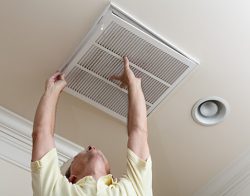 Small HVAC Inefficiencies Can Add Up Quickly
Even minor issues can affect how your HVAC system performs, especially during peak summer use. Common examples include:
- Clogged or unchanged air filters
- Blocked or closed vents
- Dust buildup on system components
When airflow is restricted, your system may need more time to reach the desired temperature. Over time, this can increase energy use, sometimes without being immediately noticeable.
Could Your Ductwork Be Wasting Cooled Air?
Your ductwork carries cooled air throughout your home, but small leaks or gaps can allow some of that air to escape into attics, walls, or crawl spaces.
When less air reaches your living areas, your system may run longer to compensate. Because ductwork is typically hidden, this type of energy loss can go unnoticed while still affecting your overall energy use.
Is Your Older System Using More Energy Than It Should?
As HVAC systems age, they may not operate as efficiently as they once did. Components gradually wear down, which can lead to longer run times and more frequent cycles.
This is often more noticeable during the summer, when systems are used more consistently. In some cases, an older system may simply require more energy to maintain the same level of comfort.
While system performance plays a role, everyday habits can also make a noticeable difference in how much energy your home uses.
Simple Ways to Keep Energy Use More Consistent
While some factors are outside your control, there are practical ways to help manage cooling costs and reduce unnecessary energy use at home:
- Keep your thermostat at a steady, comfortable setting rather than making large adjustments throughout the day
- Use curtains or blinds to block direct sunlight during peak afternoon hours
- Run ceiling fans to improve air movement and help you feel cooler without lowering the thermostat
- Replace air filters regularly and keep vents open and unobstructed
- Schedule routine maintenance to help your system operate as efficiently as possible
- Limit heat-producing activities like cooking or laundry during the hottest part of the day
Taking advantage of cooler evenings by opening windows or reducing system use when conditions allow may also help reduce overall cooling demand.
 Save Home Heat Company is trusted by homeowners throughout the Front Range for our commitment to customer care and reliable workmanship. We provide detailed inspections and take the time to ensure everything is done thoroughly and correctly.
If you have questions about your HVAC system’s performance, Save Home Heat Company is available to provide a thorough evaluation and help you better understand your options.