
Does My Older Colorado Home Need GFCI Outlets?
If your older Colorado home has outlets near sinks, in the garage, or outdoors without “TEST” and “RESET” buttons, you may wonder whether they need to be replaced.
The answer depends on when the wiring was installed, whether it has since been altered, and which electrical code your local jurisdiction follows. Existing electrical work may be allowed to remain if it complied with the requirements in effect when it was installed. However, renovations, additions, and certain outlet replacements may need to meet newer requirements.
Even when an upgrade is not legally required, adding GFCI protection in appropriate locations can reduce the risk of electrical shock.
What Does a GFCI Do?
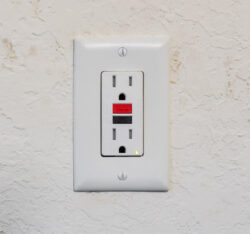 A ground fault circuit interrupter, commonly called a GFCI or GFI, monitors the electricity flowing through a circuit. If it detects an imbalance that may indicate electricity is traveling along an unintended path, it quickly shuts off power.
This protection is particularly valuable where electricity and moisture may come into contact. A standard circuit breaker primarily protects wiring from overloads and short circuits. A GFCI is designed to respond to ground faults that could expose someone to electrical shock.
GFCI requirements have expanded gradually through different editions of the National Electrical Code. Save Home Heat covers that history in A Closer Look at GFCI Electrical Outlets.
Are Older Homes Required to Have GFCI Protection?
Older homes are not automatically required to be completely updated whenever electrical codes change. However, current requirements may apply when homeowners:
- Remodel a kitchen, bathroom, basement, or laundry area
- Add, relocate, or replace certain outlets
- Finish a garage or basement
- Install outdoor electrical equipment
- Complete an addition or major renovation
Electrical codes and local amendments can vary among Colorado jurisdictions. Whether GFCI protection is required depends on the property’s location, existing wiring, and the work being performed. A licensed electrician familiar with local requirements can determine what applies to a particular home.
Where Is GFCI Protection Commonly Needed?
Modern electrical codes generally require GFCI protection in locations where moisture, grounded surfaces, or outdoor exposure increase the risk of shock. Depending on the applicable code and installation, these areas may include:
- Bathrooms
- Kitchens and laundry areas
- Garages and accessory buildings
- Unfinished basements and crawl spaces
- Outdoor receptacles
- Areas near sinks
- Receptacles serving pools, spas, and similar equipment
The exact requirements can depend on the outlet’s location, voltage, intended use, and the equipment it serves. A professional assessment is more reliable than applying one general checklist to every home.
Does Every GFCI-Protected Outlet Have Buttons?
No. An outlet can have GFCI protection without having TEST and RESET buttons on its face.
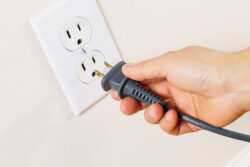 One GFCI receptacle can protect additional outlets installed downstream on the same circuit. Protection may also come from a GFCI circuit breaker in the electrical panel. As a result, a standard-looking outlet may already be protected.
This setup can make a tripped GFCI difficult to locate. A nonworking bathroom outlet, for example, could be connected to a GFCI device in another bathroom, the garage, or the electrical panel. An electrician can trace the circuit and verify which outlets are protected.
What About Two-Slot Outlets in Older Homes?
Many older homes have two-slot outlets without an equipment grounding conductor. Simply replacing one with a three-slot receptacle does not create a ground.
In some situations, GFCI protection may be used when replacing an ungrounded outlet if the installation and labeling meet applicable requirements. The GFCI can reduce shock risk, but it does not add a grounding conductor. Have an electrician evaluate the wiring before replacing two-slot receptacles.
How Can You Check a GFCI Outlet?
Follow the manufacturer’s testing instructions for the device. Generally, pressing the TEST button should interrupt power to the outlet. Pressing RESET should restore it.
If a GFCI does not trip, will not reset, or continues supplying power after TEST is pressed, stop using it and have it inspected. A device that trips repeatedly should also be evaluated rather than continually reset.
When Should an Older Outlet Be Inspected?
Contact a licensed electrician if you notice:
- An outlet that is warm, discolored, cracked, or loose
- Burning or unusual odors
- Buzzing, sizzling, or crackling
- Sparks when connecting an appliance
- Frequent breaker or GFCI trips
- A GFCI that will not test or reset
- Outlets that work intermittently
- Evidence of moisture entering an outlet or electrical box
These symptoms should not be dismissed as normal signs of an older home. Learn about other warning signs in Electrical Issues in Your Home You Should Never Ignore.
Should You Upgrade If It Is Not Required?
An older installation may be allowed to remain while still lacking protections commonly included in newer homes. Adding GFCI protection may be worth considering in moisture-prone or outdoor areas, particularly when outlets are already being replaced or other electrical work is underway.
Depending on the wiring, the solution could involve replacing one receptacle, protecting several downstream outlets, or installing a GFCI breaker.
GFCIs should not be confused with arc fault circuit interrupters. GFCIs primarily reduce shock hazards, while AFCIs respond to electrical arcing that can contribute to fires. Learn more in AFCIs: Protect Against Electrical Fires in Your Home.
GFCI Assistance for Older Colorado Homes
 An outlet without TEST and RESET buttons is not automatically unsafe or unprotected. It may receive protection from another GFCI device, or it may have been installed before GFCI protection was required in that location.
Save Home Heat Company’s licensed electricians can evaluate outlets and circuits in older homes throughout the Boulder-Denver metro area. We will explain what we find, distinguish necessary corrections from optional safety upgrades, and provide clear recommendations based on your home.
Contact Save Home Heat Company to schedule professional electrical service or an evaluation of your home’s GFCI protection.